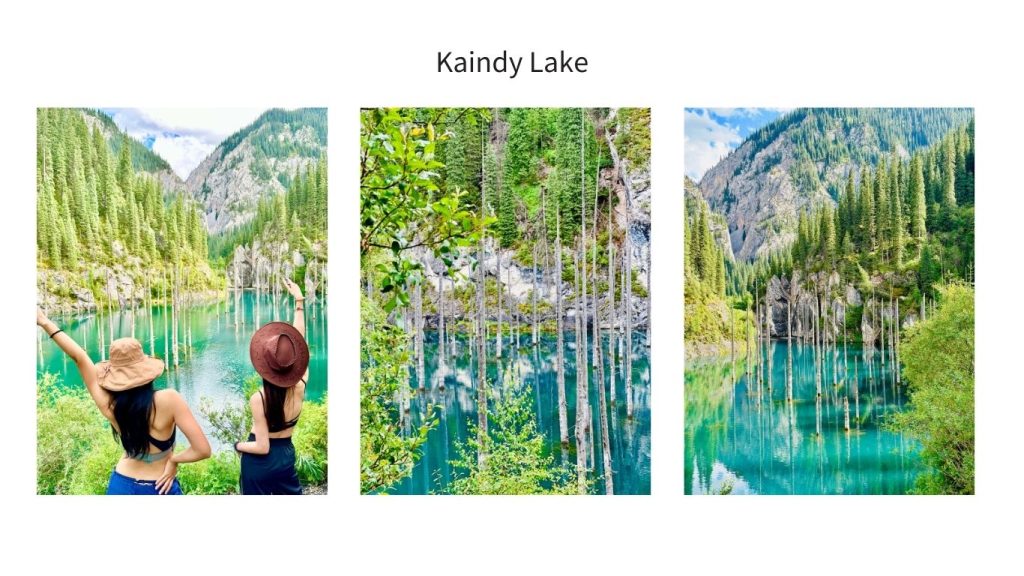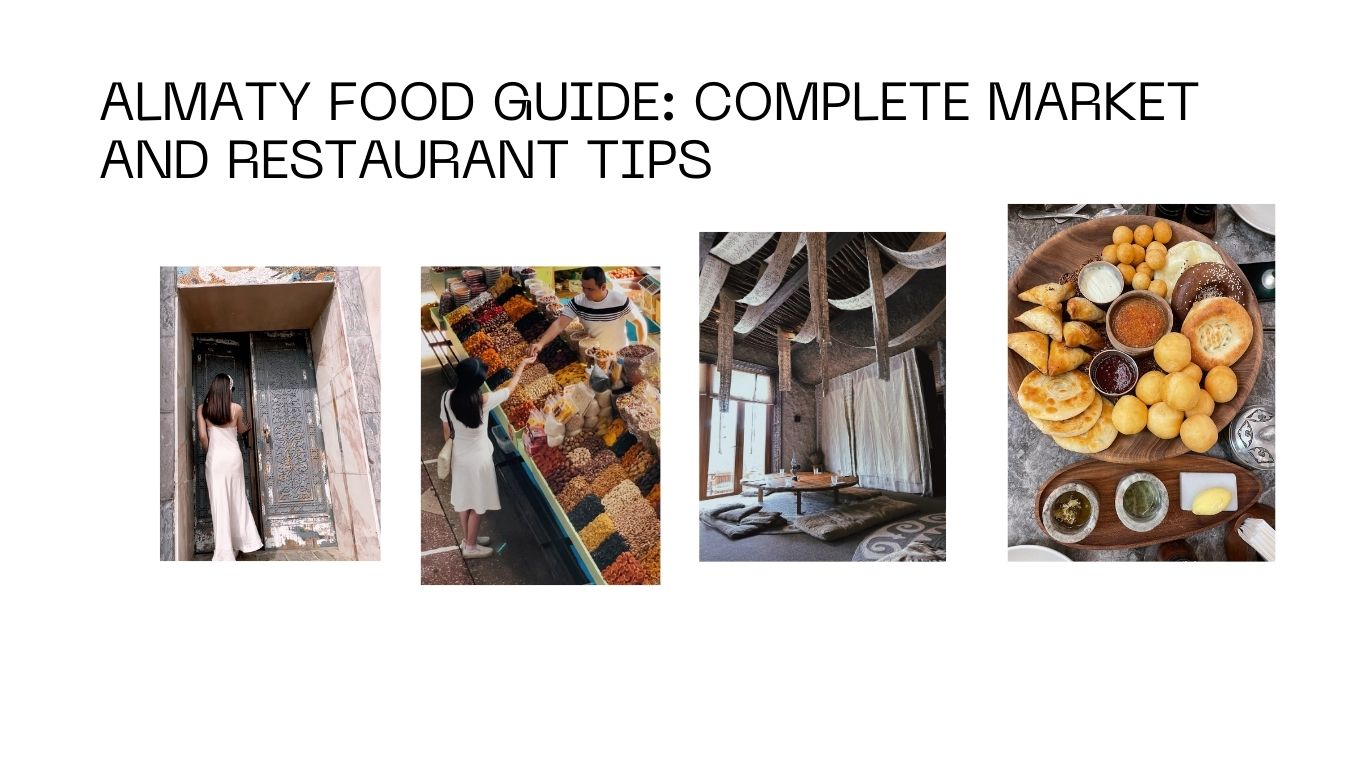
Whenever I arrive in a new city, I can’t help but seek out its most distinctive restaurants. Food is not just a delight for the taste buds; it’s also a way to immerse oneself in the local culture. Through the aromas and presentation on the table, you can feel a city’s character and soul. Today, I would like to share with you the three most memorable food destinations in Almaty.
AUYL — A New Nomadic-Style Restaurant on the Hillside
Departing from downtown Almaty, the taxi winds along the mountain roads. Suddenly, a light rain begins to fall, and the mountains outside the window appear hazy. I worried that the rain might disrupt my long-anticipated dining experience, as AUYL’s outdoor seating is its soul; missing the view from the hillside would mean missing its most beautiful moment.
As we neared the destination, the driver stopped in front of an unremarkable building and said, “We’re here.” The building looked very different from the photos I had seen, so I double-checked the name. At that moment, two other passengers wanted to hail a ride, but the driver didn’t rush me out. He patiently checked the map again and continued to drive me up the misty mountain road. I felt reassured by his small act of kindness and silently appreciated meeting a responsible and kind driver.
When we arrived at AUYL, the rain had stopped. The restaurant sits halfway up Shembulak, with a cable car stretching into the sky toward the ski slopes on the mountaintop—still attracting visitors even in summer. The entrance is adorned with white and yellow fabric strips that ripple gracefully in the breeze, blending beautifully with nature. Long tables in the courtyard host families, laughter and clinking glasses creating a warm and lively scene.
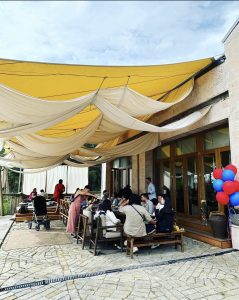
AUYL is perfect for lunch or afternoon tea, when natural light illuminates the restaurant’s design.
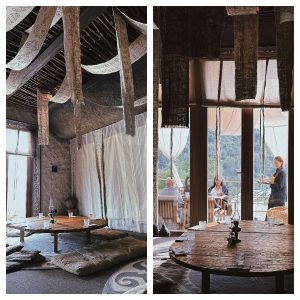
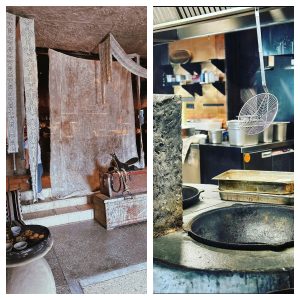
Opening the heavy wooden door, the strong nomadic atmosphere immediately surrounds you. Cloth strips with nomadic symbols hang from the ceiling, traditional patterned wall hangings adorn the walls, and a small table on the left displays neatly arranged dried fruits and snacks for waiting guests. Behind the cloth strips lies an open kitchen, where steaming buns are baked in a clay oven, filling the air with a delicious aroma. Massive stone pillars support the hall, antique furniture and warm lighting adding a sense of history. It’s no wonder that in 2024, AUYL was named one of the “Most Beautiful Restaurants in the World.” I learned the designers are from Japan and Hong Kong.
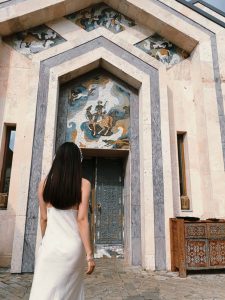
I was lucky to book the best seat. Before sitting, guests remove their shoes, stepping barefoot onto thick rugs, creating a ritualistic return to nomadic life. Low round tables and soft cushions allow guests to recline or sit on the floor, as if time slows down here. Sunlight filters through the hanging cloth strips, casting cinematic shadows. The menu itself is a masterpiece—bound in fabric like a thick book, opening it feels like uncovering the history of nomadic life.
With plenty of time before dinner, I started taking photos. You know how girls love to capture memories—photos and videos are the only proof that we were here.
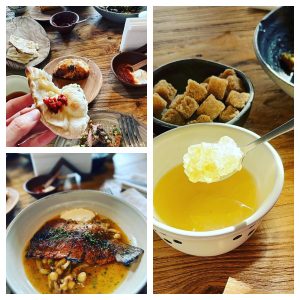
While photographing, I noticed a few gentlemen at a nearby table. One greeted me in Chinese, thinking I was a tourist from another country. I joined their table, where Hizat, a Kazakh businessman living in Almaty, introduced me to his friends, some local and some from Xinjiang. They recommended the restaurant’s most popular dishes: fish and steamed buns, both delicious. What impressed me most was the tea—served with honey, rock sugar, and brown sugar, allowing guests to adjust sweetness freely.
Tea here is more than refreshment; it’s a cultural ritual.
Lunch ended in a warm, friendly atmosphere. I not only enjoyed exquisite food but also experienced local kindness and companionship. AUYL is more than a restaurant; it’s a cross-cultural exchange—a perfect example of the magic of travel and cuisine.
Sandyq — Traditional Kazakh Cuisine
Another restaurant that captured my heart in Almaty is Sandyq. That day, I met with Mr. Yerzat, who had traveled with me by international bus. We exchanged WeChat when setting up a local SIM card, and he had been attentive to my updates ever since.
Sandyq specializes in traditional Kazakh dishes. Waitstaff wear traditional attire, the high ceilings are adorned with massive chandeliers, and the walls display nomadic-themed decorations. On weekends, traditional performances take place, and antique cultural items are exhibited, creating a ceremonial cultural space. No wonder it’s popular among locals and tourists alike.
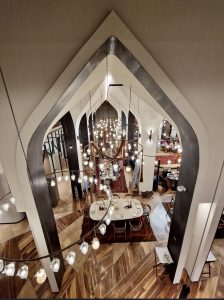
We were seated in a glass room off the main hall, quiet and elegant compared to the lively main dining area.
Yerzat joined us shortly after. He is composed and confident, with a presence reflecting experience and steadiness. He shared stories of his hometown near the Anjihai Grand Canyon and his trade work in Almaty. During our conversation, I felt the strength of a person striving in a foreign land.
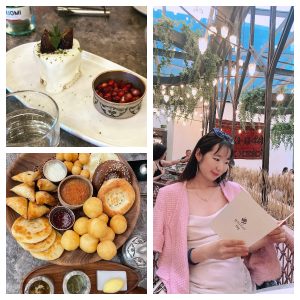
He recommended signature dishes: a refreshing salad, traditional meals with horse meat, noodles, potatoes, and a rich horse meat soup, ending with delicate desserts. For someone not usually keen on meat, trying horse meat was a first—and surprisingly tender and flavorful, paired perfectly with spices. This is the charm of travel: you never know what experience will challenge your expectations.
During the meal, we talked about our hometowns, future plans, and life abroad. The ambiance was relaxed and warm. As dessert arrived, I gazed out at Almaty at night, lights twinkling, laughter and music blending—a gentle, unforgettable moment. Whether for tourists or friends gathering, Sandyq leaves visitors with a sense of Kazakh warmth and cultural depth.
Green Bazaar — A Snapshot of Almaty Life
To truly experience local life, visiting markets is the fastest way. Almaty’s iconic market is the Green Bazaar, over a century old, the city’s “living heart.” Locals shop for fresh produce while tourists explore Central Asian flavors.
The market spans two floors with organized sections: fruits, dried fruits, meats, dairy, and ready-to-eat food. Despite the variety, it feels orderly. Multiple entrances may confuse first-time visitors, adding to its charm—a living maze.

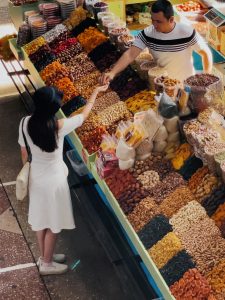

In the dried fruit and spice section, stalls display neatly stacked raisins, apricots, figs, walnuts, and almonds—a colorful palette. Compared to Europe, the quality is higher and prices more affordable. Vendors offer free samples, letting visitors taste the sunlight of Central Asia.
The spice section dazzles with colors: red chili powder, yellow turmeric, green herbs, mixed with aromas of cumin, cinnamon, and mint. Glass jars hold green, black, and herbal teas, reminiscent of the ancient Silk Road.
Dairy products include yogurt, cheese, and traditional fermented drinks like Kumis (mare’s milk) and Shubat (camel milk). While initially bold for new tasters, these drinks have long cultural significance and are considered healthy.
In the meat section, horse, beef, and lamb dominate. The signature Kazy (horse sausage) is a Kazakh table staple. Smoked and dried meats emit strong aromas, a true taste of the steppe.
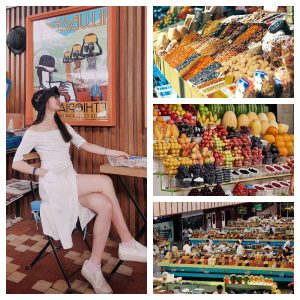
The fruit section is lively: watermelons, cherries, grapes, and apples. Almaty is named after apples (“Almaty” means “apple city” in Kazakh). The Green Bazaar offers authentic local apples—sweet, crisp, and affordable.
After exploring, I sat at the café on the second floor, the perfect vantage point to observe the bustling market below. As the sun sets, light floods through tall windows, illuminating fruits and spices, capturing the essence of daily life in Almaty.
Tips:
-
Payment: Carry cash (Tenge); some stalls don’t accept cards.
-
Bargaining: Haggling is common; vendors usually leave room for negotiation.
-
Safety: Watch your belongings in crowded areas.
-
Souvenirs: Dried fruits, spices, and teas are ideal local gifts—light and authentic.