Louvre Museum – Art, History, and the Fragility of Civilization
What? Another theft at the Louvre Museum? If there’s a masterpiece you want to see, go early — you never know when it might be stolen. I was fortunate enough to stand just one layer of glass away from a recently stolen crown, even capturing a photo before it was gone.
The Louvre is more than just a palace of art — it’s a mirror reflecting human civilization’s desire and glory. Standing before the ancient sculptures and paintings, I couldn’t help but ask myself: What is beauty? Can time really diminish the power of art? Perhaps it is precisely these questions that draw visitors back, over and over, mesmerized by the museum’s treasures.
✨
First Impressions
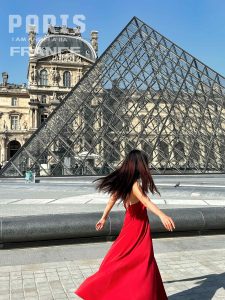
The moment I first stepped into the Louvre, it felt as if I had crossed the river of time. Through the golden sunlight, the glass Louvre Pyramid shimmered like a dream, welcoming every soul who loves art.
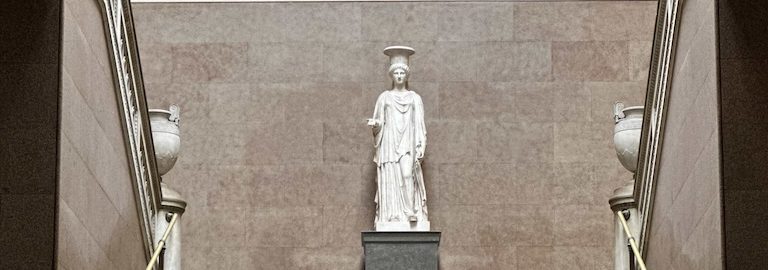
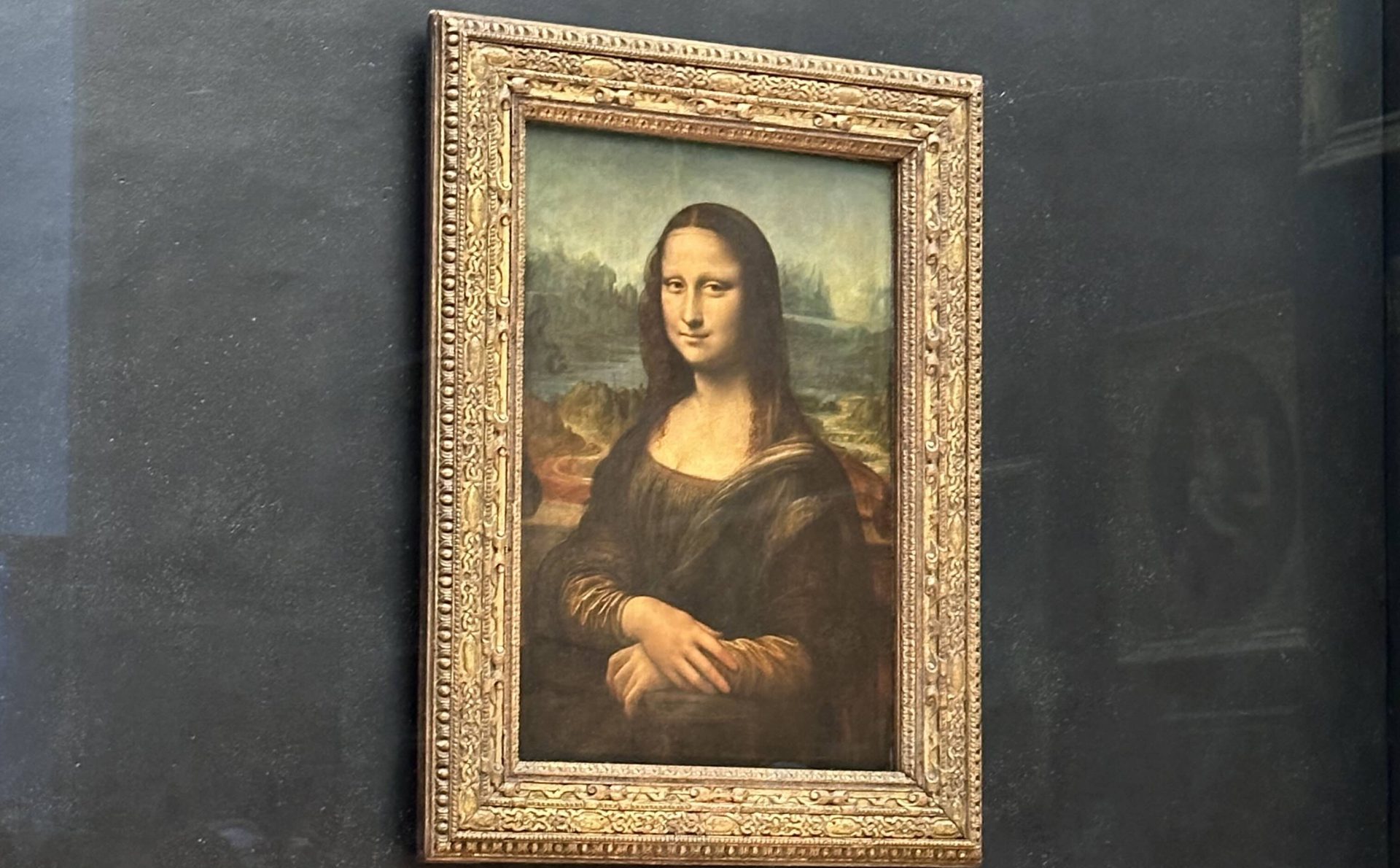
From the mysterious smile of the Mona Lisa to the timeless elegance of the Venus de Milo, the Louvre stands as a treasure trove of human civilization. Each masterpiece quietly tells a story about beauty, faith, and creativity, bridging centuries of history with the present.

French Name: Musée du Louvre
Location: Right Bank of the Seine, central Paris, France
Founded: 1793, during the French Revolution
Type: One of the Top Three Museums in the World
(alongside the British Museum and the Metropolitan Museum of Art in New York)
Collection Size: Over 380,000 artworks, with around 35,000 pieces on public display
Annual Visitors: More than 8 million, making it one of the most visited museums on the planet
As the world’s largest and most iconic art museum, the Louvre Museum is not only the cultural heart of Paris but also a global center for art history, archaeology, and human creativity. Whether you’re here for the Mona Lisa, ancient Egyptian artifacts, or French royal heritage, the Louvre offers an unparalleled journey through 5,000 years of world civilization.
Chinese Art in the Louvre — One of France’s Most Important Collections
The Decorative Arts Department of the Louvre Museum houses over 600 pieces of Chinese art, making it one of France’s most significant collections of Chinese cultural treasures. These artworks mainly date from the 18th to 19th centuries and include:
-
Fine Chinese porcelain
-
Exquisite jade carvings
-
Traditional lacquerware
-
Historical calligraphy and paintings
It’s important to note that this figure refers specifically to the Chinese artworks within the Decorative Arts Department.
Across the Louvre’s other departments—such as Egyptian Antiquities, Islamic Art, and the Asian Art collections—there may be additional artifacts related to China or influenced by Chinese craftsmanship and trade.
Today, the Louvre’s Chinese collection represents an invaluable window into the global exchange between East and West, reflecting centuries of appreciation, diplomacy, and artistic influence.
The Louvre: From Medieval Fortress to the World’s Most Visited Museum
The Louvre was not always a museum—it began as a medieval royal fortress.
Here is a concise timeline of its transformation:
🕰
A Brief History of the Louvre
-
Late 12th century — Built by King Philippe II as a fortress to defend Paris from foreign invasions.
-
16th century — Transformed by King Francis I into a royal palace and home to the king’s growing collection of art, laying the foundation for today’s museum.
-
17th–18th centuries — As the French monarchy flourished, the Louvre became a major center of power, culture, and artistic patronage.
-
1793 — After the French Revolution, the Louvre officially opened to the public as a “museum for the people,” marking a turning point in global art history.
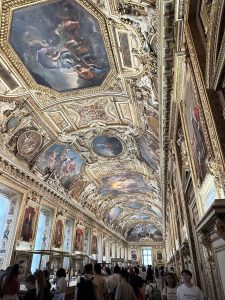
Today, the Louvre stands as a masterpiece of human civilization, showcasing treasures from Ancient Egypt, the Renaissance, Islamic Art, Classical Antiquity, and modern sculpture.
The building itself is one of the most iconic works of art in the world.
The Architectural Layout
The Louvre consists of three main wings:
-
Denon Wing
-
Sully Wing
-
Richelieu Wing
Each wing covers different eras, cultures, and artistic traditions, forming a complete journey through human history.
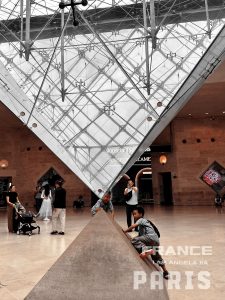
The Iconic Glass Pyramid — A Modern Symbol of Paris
In 1993, the glass pyramid designed by world-renowned architect I. M. Pei was inaugurated as the new main entrance of the Louvre.
Though controversial at first, the pyramid has become one of Paris’s most recognizable landmarks.
Its sleek, modern geometry stands in bold contrast to the classical architecture of the former palace—symbolizing a dialogue between history and the future.