Bukhara 3-Day Itinerary
Two nights in Uzbekistan’s timeless Silk Road city
If Samarkand tells its story through blue domes, Bukhara feels like an old book—one that time has been turning the pages of for more than two thousand years.
There is little of the noise of a modern metropolis here. Narrow streets, old mosques, earth-colored buildings, and caravanserais scattered through the old town recall the days when the Silk Road brought people and goods from far away.
Bukhara is one of the cities in Uzbekistan I would give time to. Once an important center of trade, Islamic culture, and learning, its historic center became a UNESCO World Heritage Site in 1993.
If your schedule allows, stay for three days and two nights. You do not need to rush through every landmark. Leave room for a walk without a destination, tea in the shade, and a glimpse of everyday life. Travel is as much about those unfamiliar, ordinary moments as it is about reaching a place.
Your three days at a glance
DAY 1
Old town & sunset
Arrive, settle in, explore Lyabi-Hauz and the trading domes, then end the evening at Poi Kalyan.
DAY 2
Fortresses & madrasas
Visit the mausoleums, Ark and Bolo Hauz early. Rest through the heat before exploring the madrasas.
DAY 3
Local life & souvenirs
See Chor Minor, wander the lanes, browse handicrafts, and enjoy one last cup of tea.
Before you visit Bukhara
- Destination: Bukhara, Uzbekistan
- Suggested stay: three days, two nights
- Getting around: mostly on foot within the old town
- Where to stay: the historic center, ideally near Lyabi-Hauz or Poi Kalyan
- Currency: Uzbek som (UZS)
- Languages: Uzbek; Russian is also commonly used
- Connectivity: arrange a suitable local SIM or eSIM for your trip
A summer lesson I learned at 44°C
Bukhara in July can be intensely hot. During my visit, the temperature reached 44°C. Walking in the sun felt like stepping into an oven. The dry climate, strong sunshine, and limited shade at some monuments make a slower schedule essential.
My preferred rhythm was outdoor sightseeing from around 7:00–10:30 a.m., a long indoor break between 11:00 a.m. and 4:30 p.m., and another walk after 5:00 p.m. These are suggested travel windows, not attraction opening hours.
Carry drinking water, sunscreen, a hat, and sunglasses. Wear loose, breathable, light-colored clothes. If you feel dizzy, nauseated, unusually weak, or develop a headache in the heat, stop and move to a cool place. Seek medical help if symptoms worsen or do not improve. Confusion, collapse, or seizures require urgent medical attention: call 103 for an ambulance in Uzbekistan. See the CDC’s guidance on heat illness and Uzbekistan emergency numbers.
Travel can wait. Your health matters more than another stop on the itinerary.
Where to stay in Bukhara
This is the practical advice I most want to share: choose a place inside the old town if you can. Bukhara’s appeal is not confined to one monument; it is the atmosphere of the whole historic center.
The Kalyan Minaret, Kalyan Mosque, Mir-i-Arab Madrasa, Ulugh Beg Madrasa, Abdulaziz Khan Madrasa, and Lyabi-Hauz are linked by a network of walkable streets. Many central stops are a short walk apart, but do not assume everything is five minutes away. Chor Minor and the Samanid Mausoleum sit farther from the main cluster, so allow extra walking time—or take a taxi when the heat makes it sensible.
Lyabi-Hauz: my first choice for a first visit
The area around Lyabi-Hauz has a useful concentration of restaurants, cafés, and guesthouses. It is a convenient base for evenings by the pond and relaxed walks through the old town.
Poi Kalyan: for architecture and early morning walks
Stay near the Kalyan Minaret if you want to be close to Bukhara’s iconic architecture, especially for photography and quiet morning strolls.
I would look for a traditional courtyard guesthouse rather than automatically choosing a standard modern hotel. Some preserve carved wood, painted ceilings, and Uzbek decorative details. In summer, reliable air conditioning should be a priority. Check recent reviews, the exact location, and the room facilities before booking.
Find a hotel for your two-night stay
Use the map below to compare accommodation locations and availability for your dates. The map is a booking tool, rather than a list of hotels I have personally stayed in.
Affiliate disclosure: This accommodation map contains affiliate links. If you book through it, I may earn a commission at no extra cost to you.
DAY 1First steps into the old town
Arrival → Lyabi-Hauz → Trading domes → Poi Kalyan
Your first afternoon is about settling in and meeting the city slowly: old streets, historic buildings, and the changing light near sunset.
3:00–5:00 p.m. · Arrive and check in
If, like me, you arrive by train from Samarkand, you will need a transfer to your old town hotel. Bukhara’s main passenger station is in the Kogon area, outside the historic center. Allow roughly 20–35 minutes by car as a planning estimate; traffic and your hotel’s location can change this.
Ask your hotel about a pickup, or use a reputable local taxi or ride-hailing service available at the time of your visit. In July, I would settle into the room and rest before heading out into the late afternoon heat.
5:00–6:00 p.m. · Lyabi-Hauz
Lyabi-Hauz is a lovely place to begin. Its name refers to the pond, and public pools once played an important role in the life of Central Asian cities. Today, old buildings surround the water, with restaurants, teahouses, and welcome shade nearby.
Have a cup of tea and watch the square. It is an easy introduction to the slower pace I loved in Bukhara.
6:00–7:00 p.m. · The trading domes
Merchants once brought silk, spices, jewelry, and carpets through Bukhara. Several historic trading domes still survive. Beneath their old vaults, shops sell ceramics, embroidery, scarves, carpets, and souvenirs.
Even if you buy nothing, take your time here. The arches, textures, and small exchanges between people are part of the experience.
7:00–8:00 p.m. · Poi Kalyan and evening light
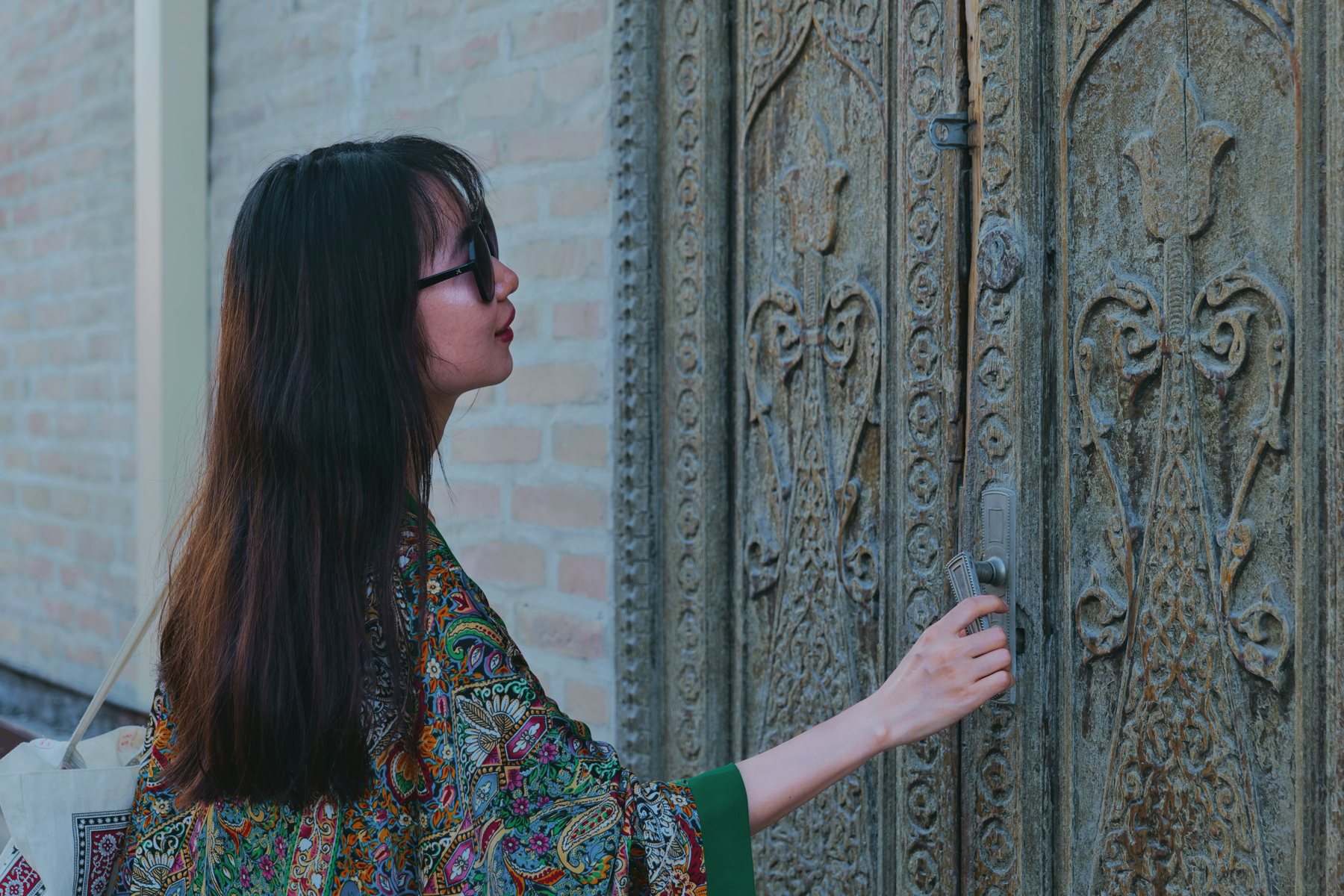
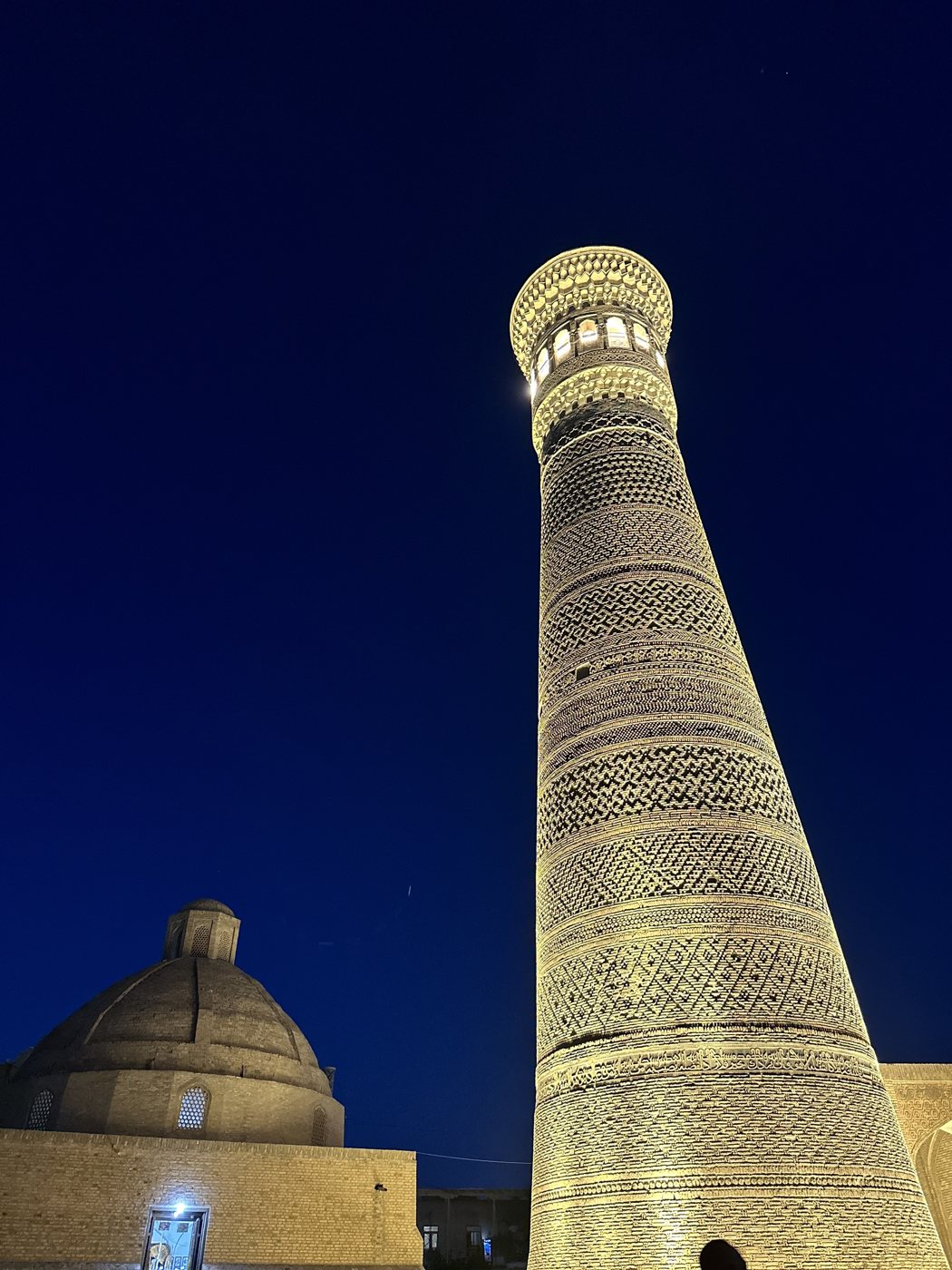
If I could recommend just one architectural stop in Bukhara, it would be Poi Kalyan. The twelfth-century Kalyan Minaret, the vast Kalyan Mosque, and Mir-i-Arab Madrasa opposite form one of the city’s defining views.
In the evening, warm light turns the old brickwork golden. For photography, aim to arrive around 30–60 minutes before sunset rather than relying on a fixed clock time. Sunset varies with the season. If an interior has closed, enjoy the square and return during visitor hours.
DAY 2Into Bukhara’s history
Samanid Mausoleum → Chashma-Ayub → Ark of Bukhara → Bolo Hauz
Afternoon rest → Ulugh Beg Madrasa → Abdulaziz Khan Madrasa
This is the fullest day of the itinerary, tracing Bukhara’s rulers, religious architecture, and Silk Road history. Start early, but check opening hours: the times below are a suggested route, and you may need to swap stops.
7:30–8:30 a.m. · Samanid Mausoleum
The Samanid Mausoleum is one of Bukhara’s most significant early monuments. Dating to the ninth and tenth centuries, it is celebrated for intricate brickwork. Instead of the blue tilework often associated with Central Asia, it creates elaborate geometric patterns through the arrangement of bricks.
Its restrained color makes the craftsmanship all the more striking. If the interior is not yet open, start with the exterior and surrounding area.
8:45–9:30 a.m. · Chashma-Ayub
The name of Chashma-Ayub is connected with the prophet Job and a legend of a spring that he caused to appear here. The building combines elements from different periods, and its proximity to the Samanid Mausoleum makes the two a natural pairing.
9:45–11:00 a.m. · Ark of Bukhara
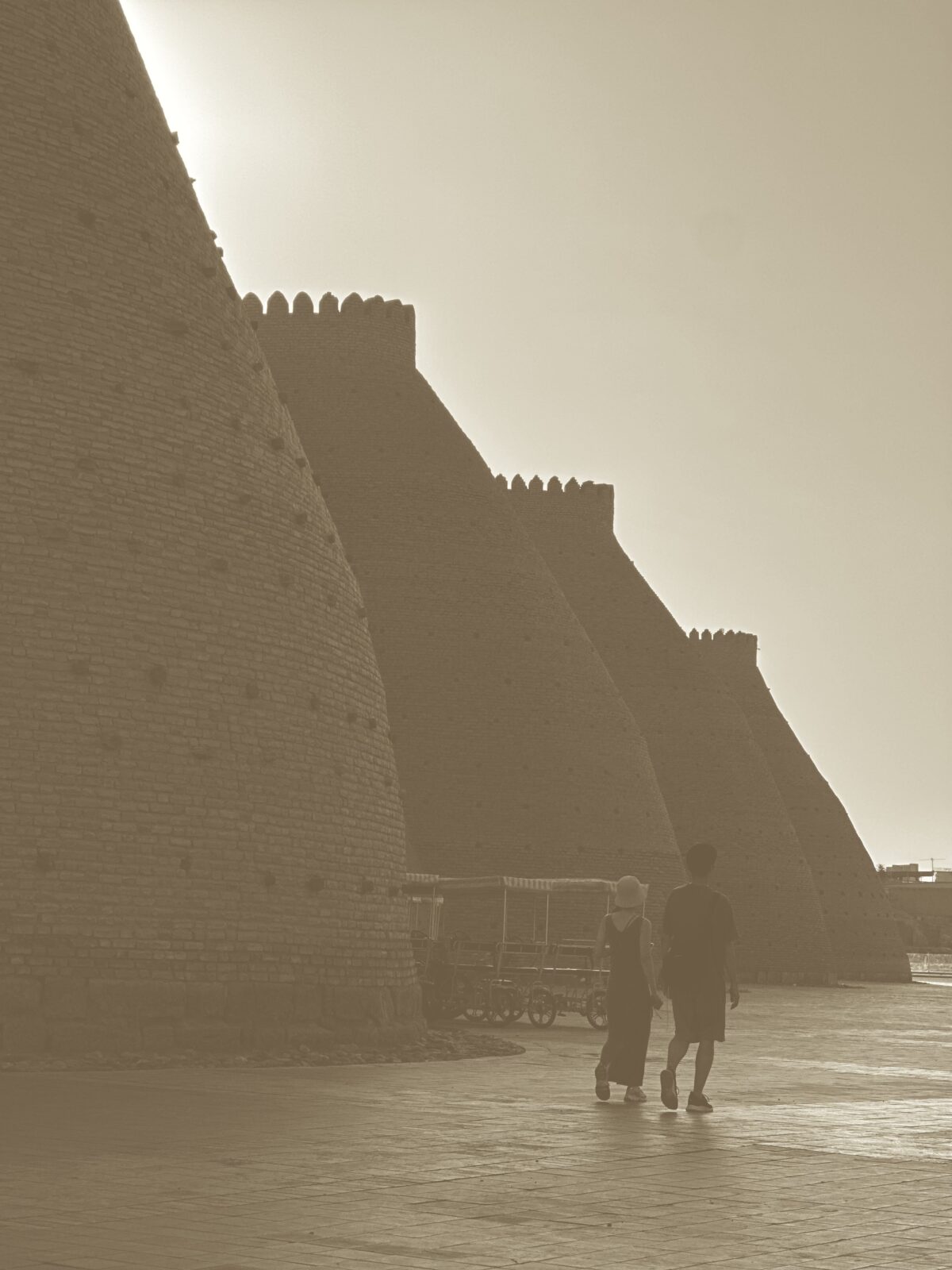
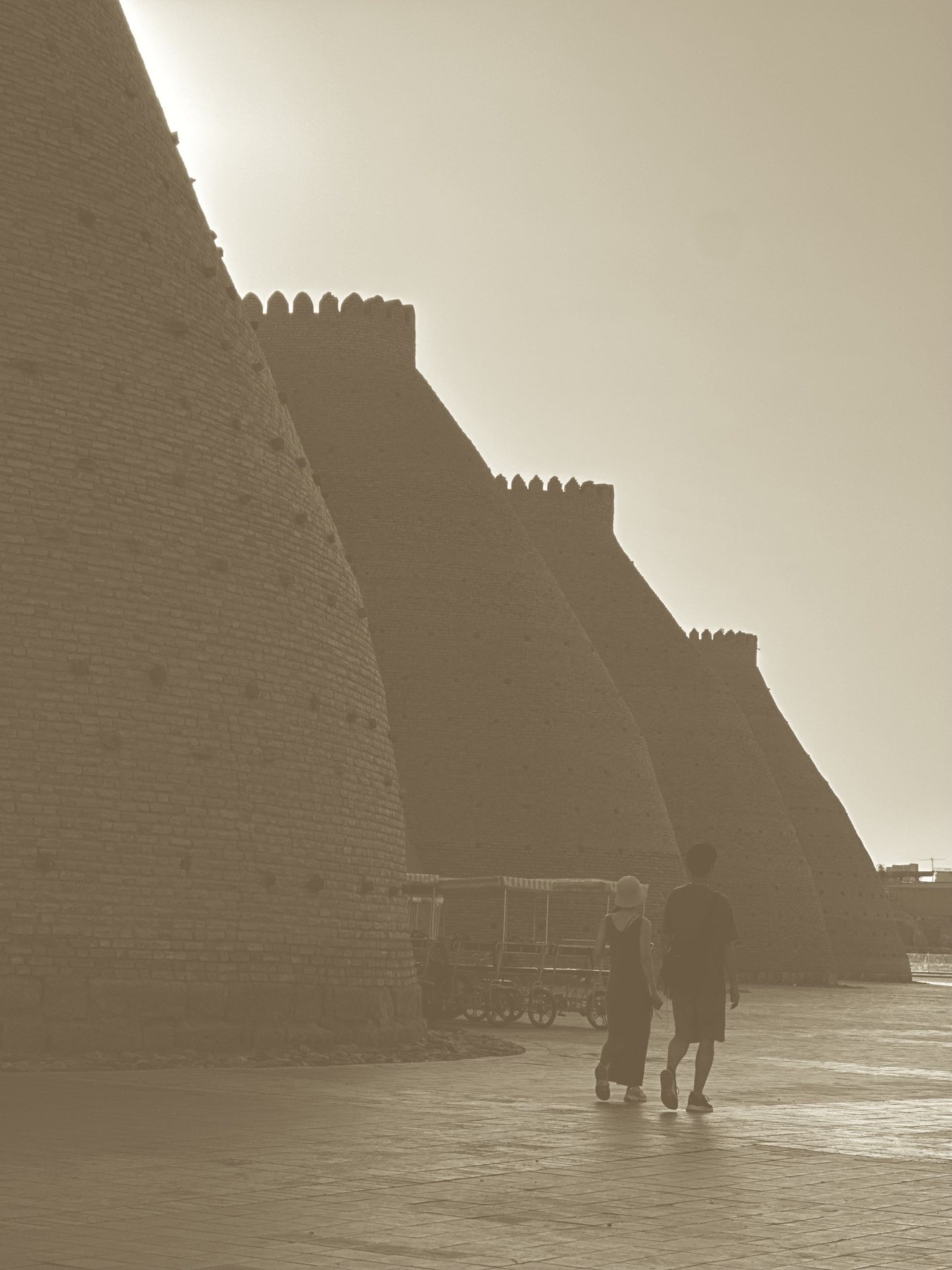
The Ark was long the residence and political center of Bukhara’s rulers. Its immense walls, gateway, and surviving historic spaces make the city’s past power feel tangible. Around the fortress, you can also glimpse parts of the surrounding cityscape.
Give yourself time inside rather than treating it as a quick photo stop. If you enjoy museums and architectural details, extend the visit and shorten another stop.
11:00–11:30 a.m. · Bolo Hauz Mosque
Near the Ark, Bolo Hauz Mosque is especially memorable for its slender wooden columns and decorated roof. I love the details of these columned spaces—the carving, the shade, and the way light changes across the wood.
This is an active religious site, so follow local guidance and adjust your visit around worship. In extreme heat, move it earlier or save it for a cooler time.
Noon–4:30 p.m. · Lunch and a proper rest
Leave this part of the day for yourself. In July, another landmark is not worth hours in the midday sun. Return to your hotel for a shower and rest, or have a leisurely meal in an air-conditioned restaurant.
5:00–6:00 p.m. · Ulugh Beg Madrasa
Ulugh Beg was a Timurid ruler, astronomer, and scholar. His fifteenth-century madrasa in Bukhara reflects the place education and learning held in Central Asian society. Check the accessible areas and current visitor hours before planning an interior visit.
6:00–7:00 p.m. · Abdulaziz Khan Madrasa
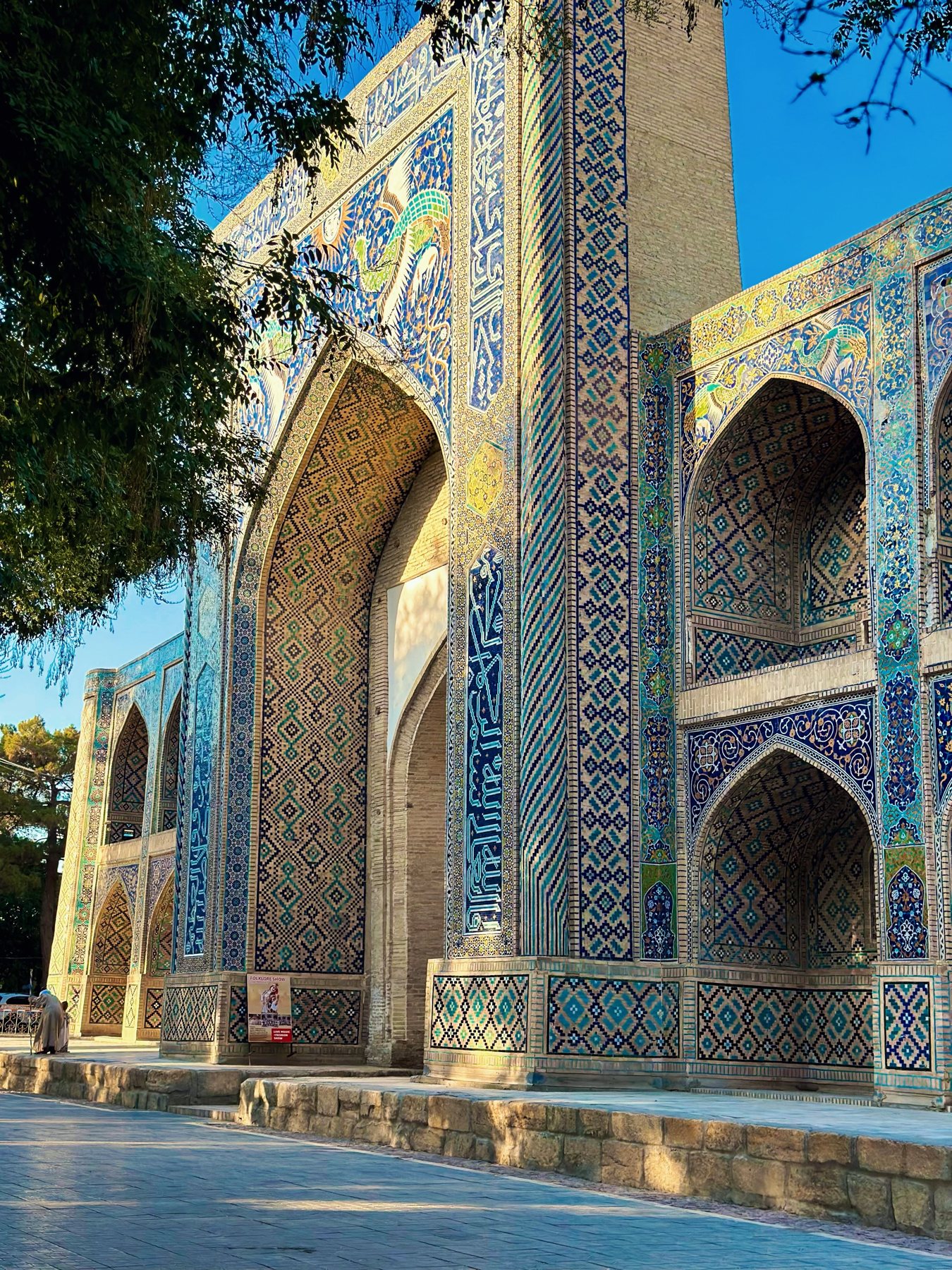
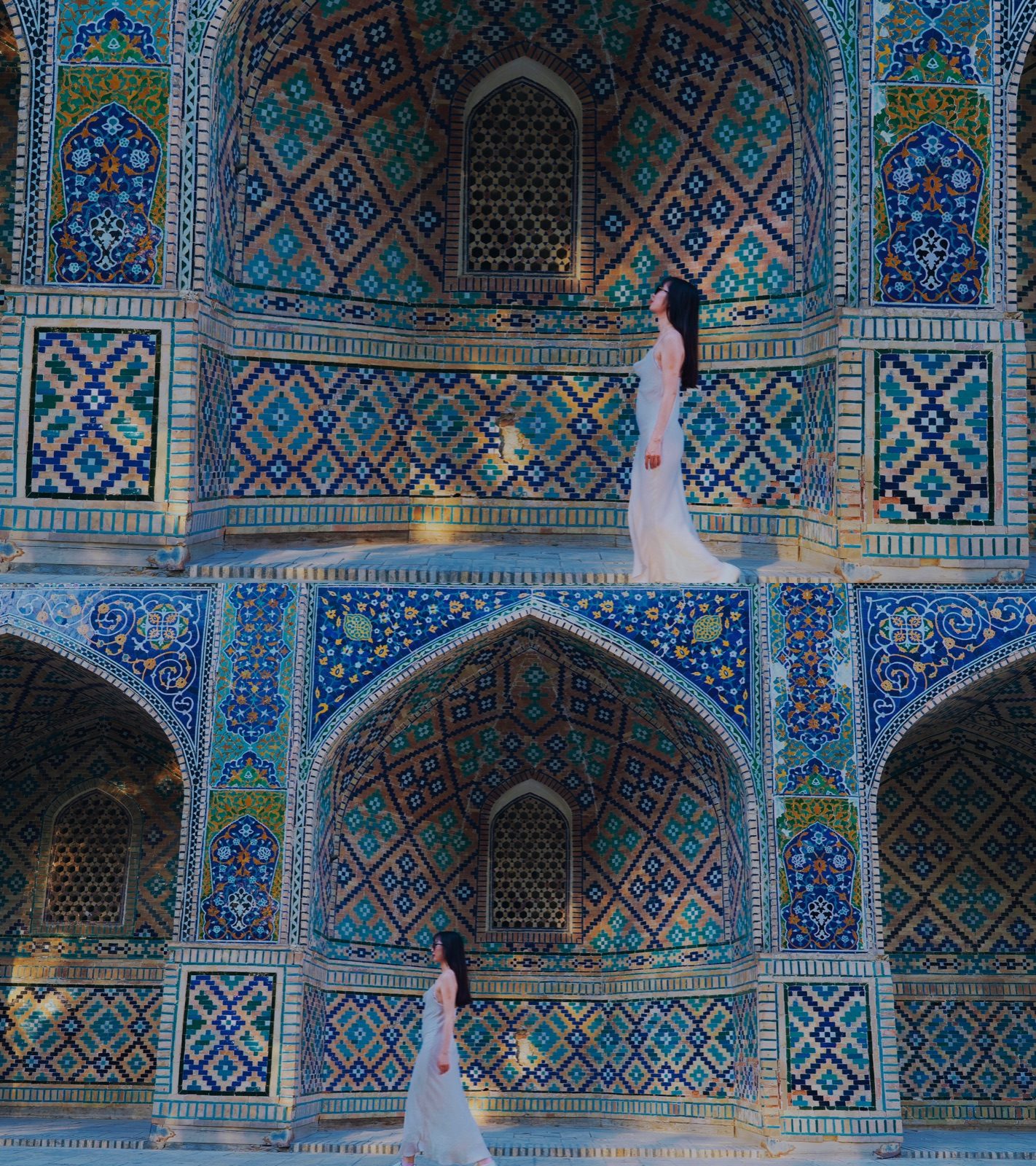
Facing Ulugh Beg Madrasa, Abdulaziz Khan Madrasa offers a different decorative character. Its ornament is more elaborate, with details that reward a slow look. If you enjoy architecture, art, or photography, spend time studying the entrance rather than simply passing through.
After 7:00 p.m. · Dinner and the old town after dark
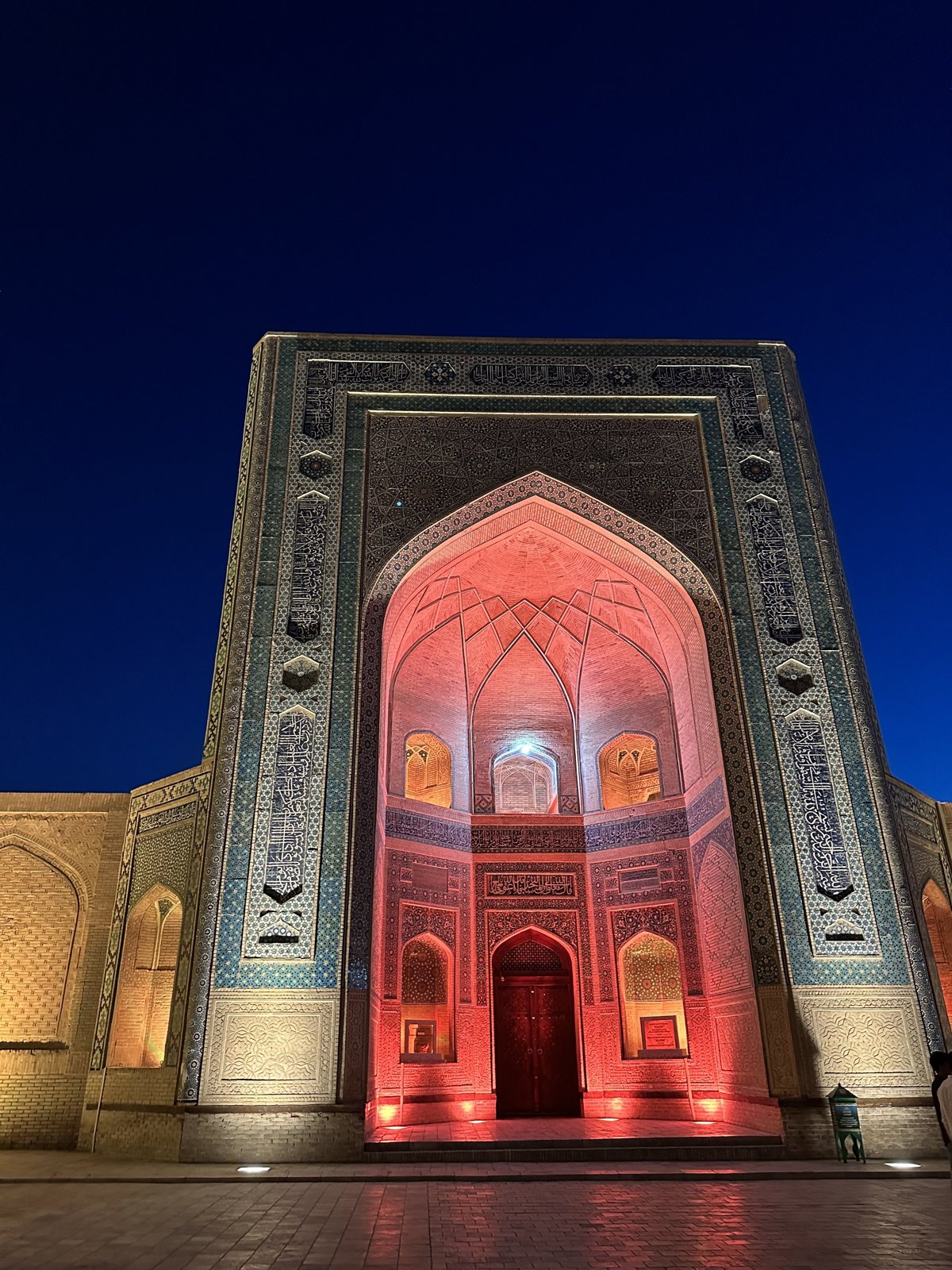
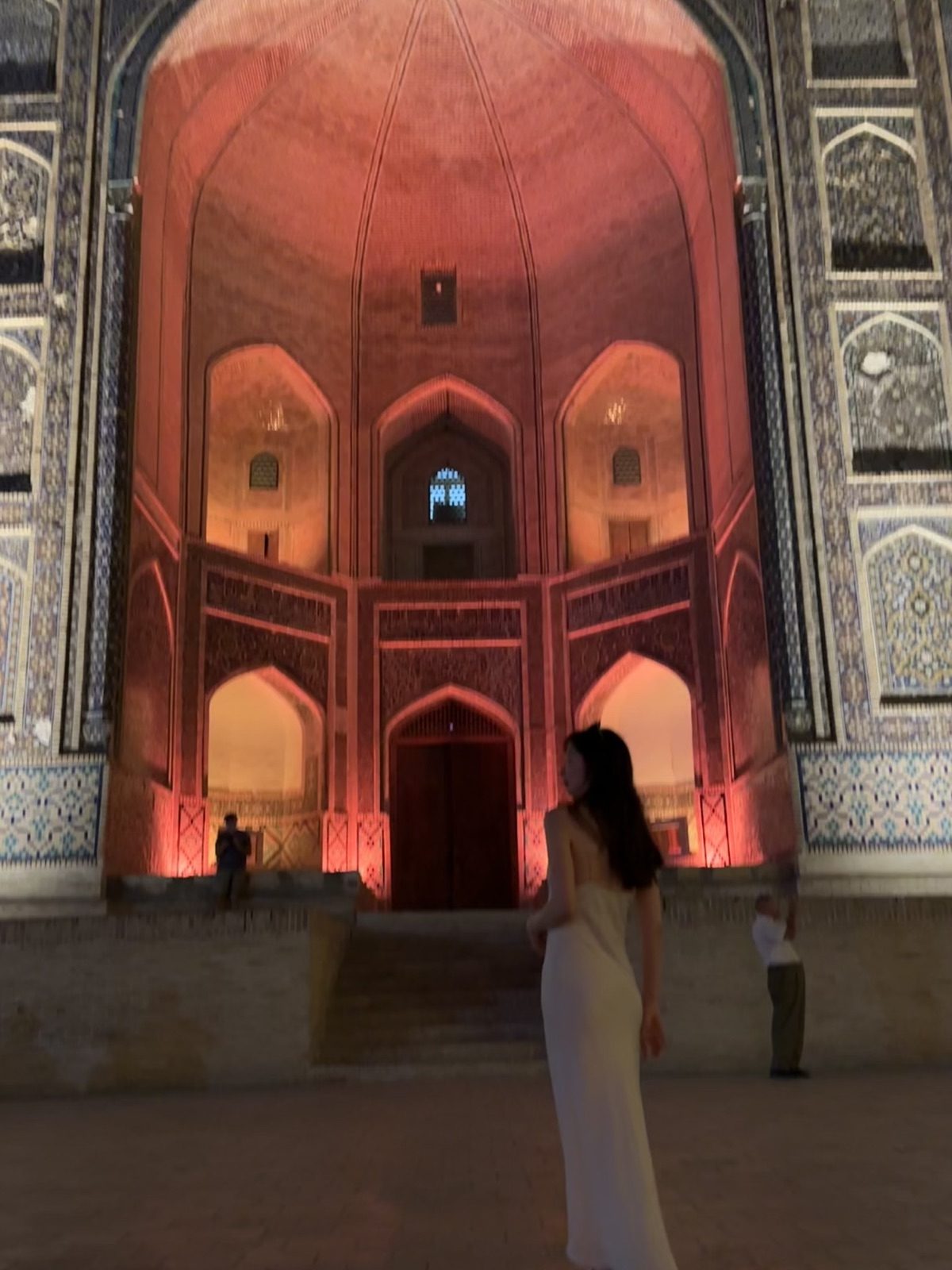
As the heat fades, Bukhara comes back to life. Restaurants fill, and visitors and residents return to the streets. Find a terrace or traditional courtyard for dinner, then take another walk near the Kalyan Minaret. The illuminated buildings feel very different from their daytime selves.
DAY 3Leave room to wander
Chor Minor → Old town lanes → Handicrafts → One last cup of tea
Your last day does not need to be packed. Travel should not feel like an exam in which you are always trying to reach the next stop.
8:00–9:00 a.m. · Chor Minor
Chor Minor is one of Bukhara’s most recognizable small monuments, with four towers capped by blue domes. Compared with the city’s grand religious buildings, it feels intimate and unexpectedly playful.
Despite the name often used in travel guides, it is the surviving gateway of a former madrasa complex, rather than a typical mosque with four minarets. It makes a rewarding morning detour.
9:30–11:00 a.m. · Explore without a strict route
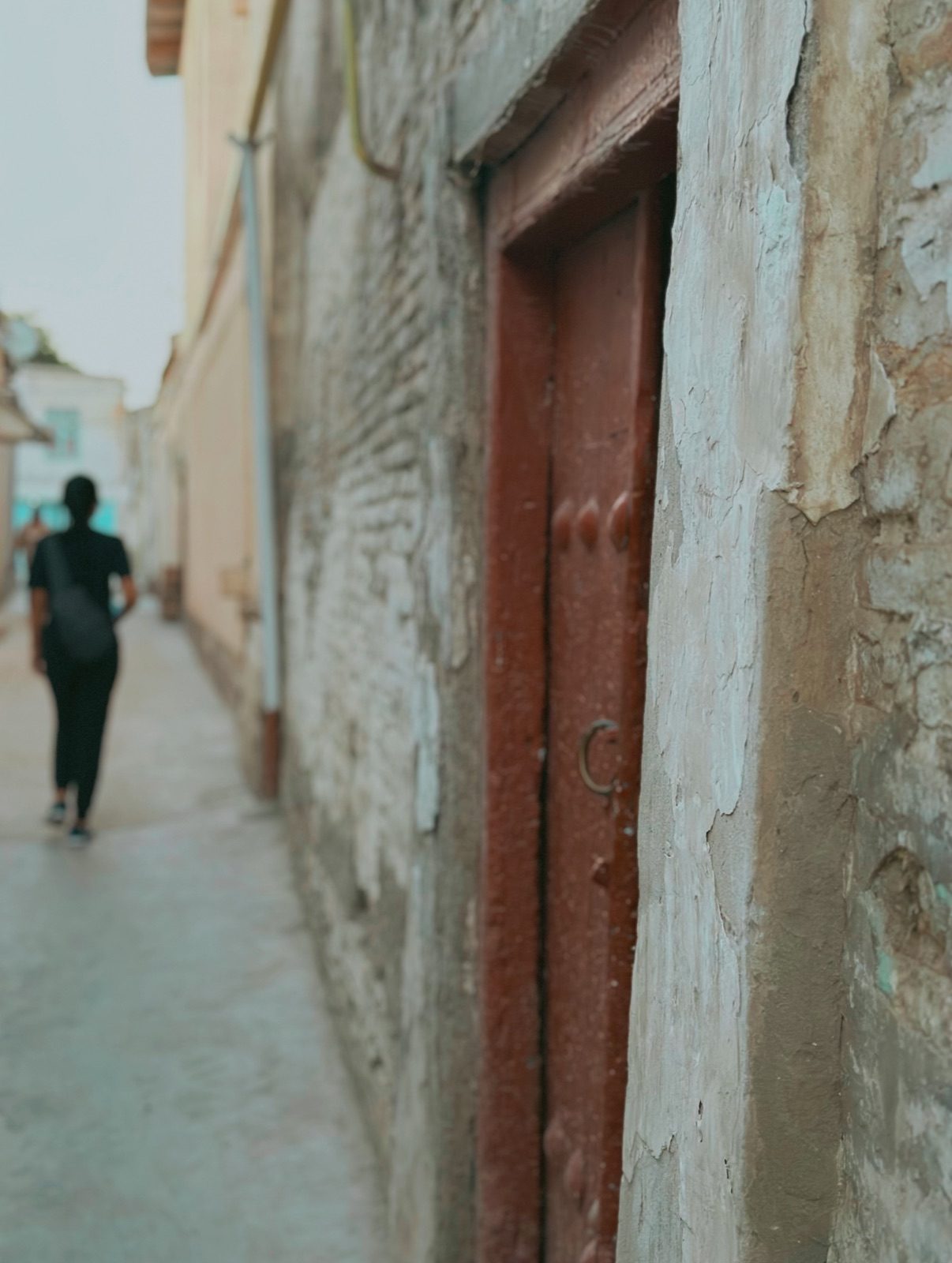
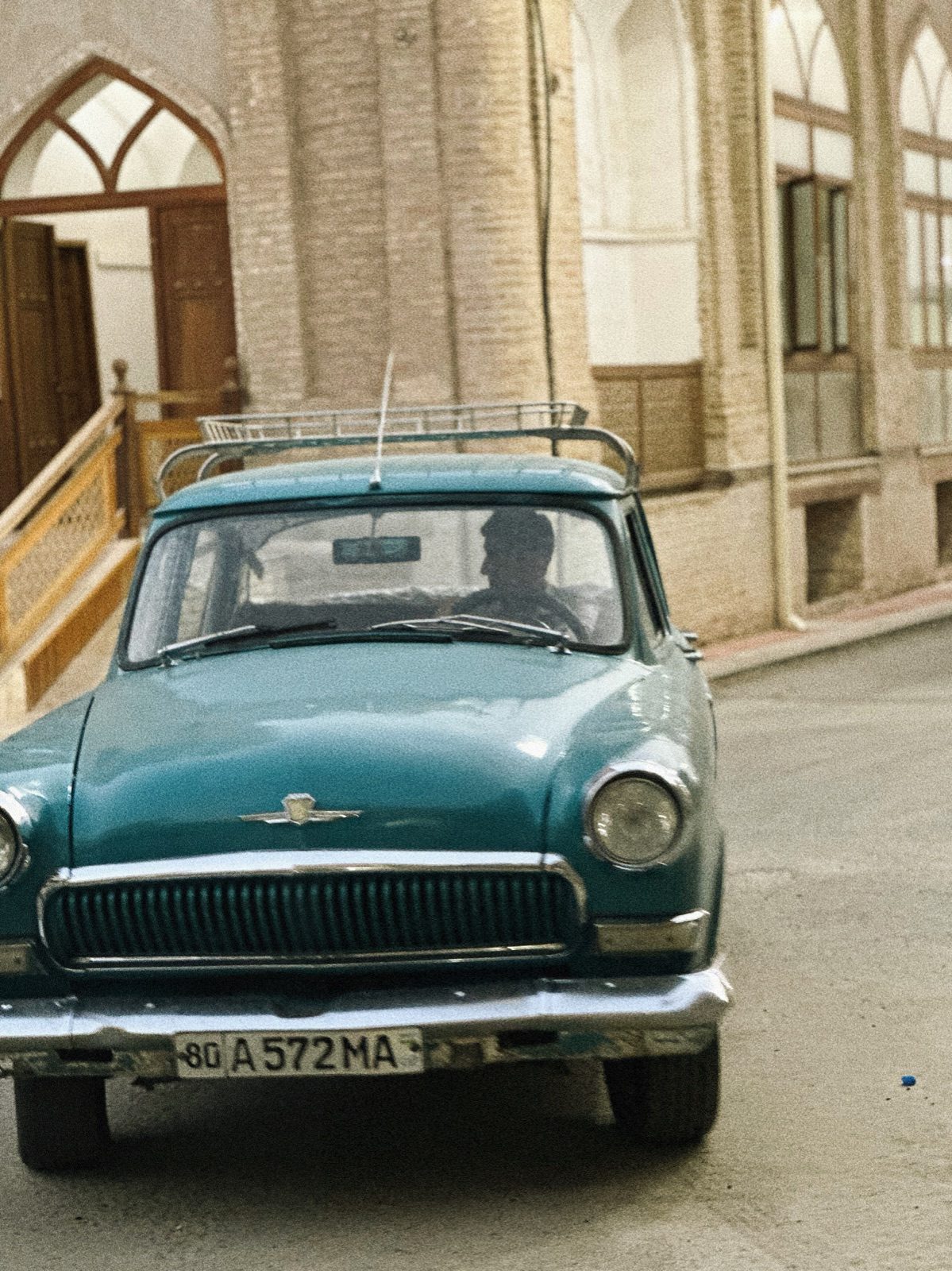
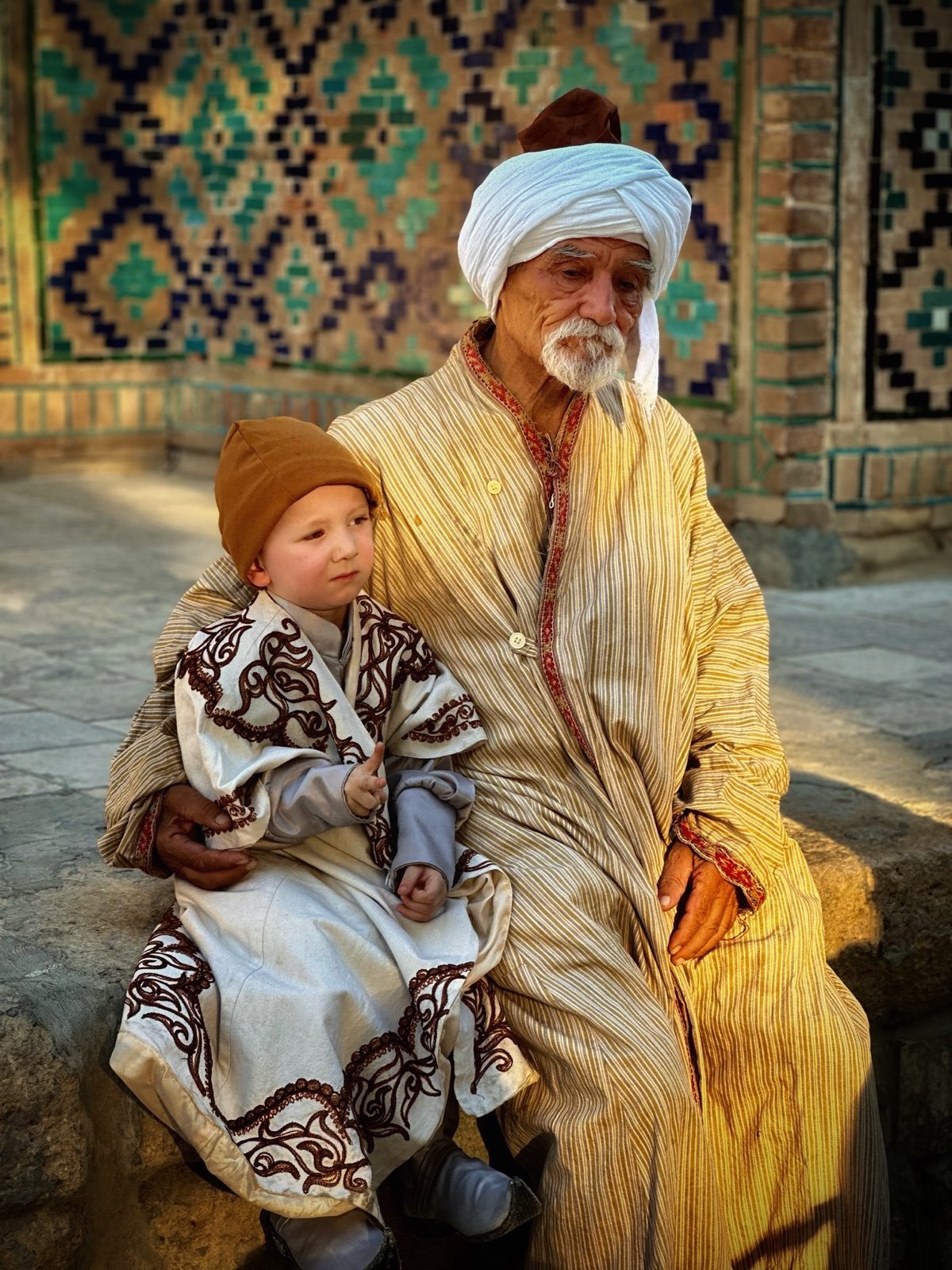
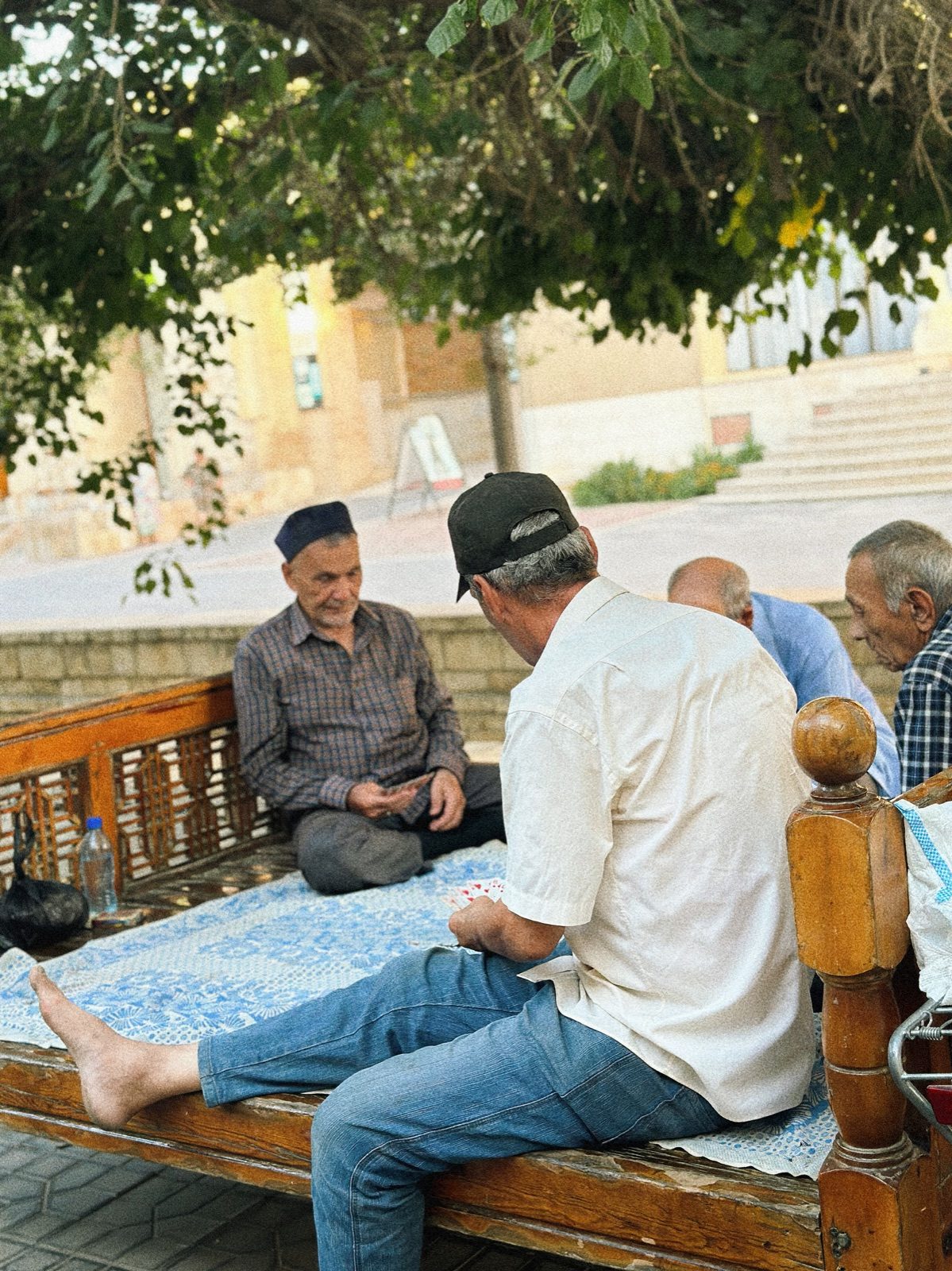
Put the navigation away for a while. Wander past homes, traditional shops, and workshops. You might see older residents talking in the shade, children playing, or someone happy to exchange a greeting. Ask before taking close portraits.
These everyday scenes can stay with you longer than the famous monuments. For me, they are an essential part of getting to know a city.
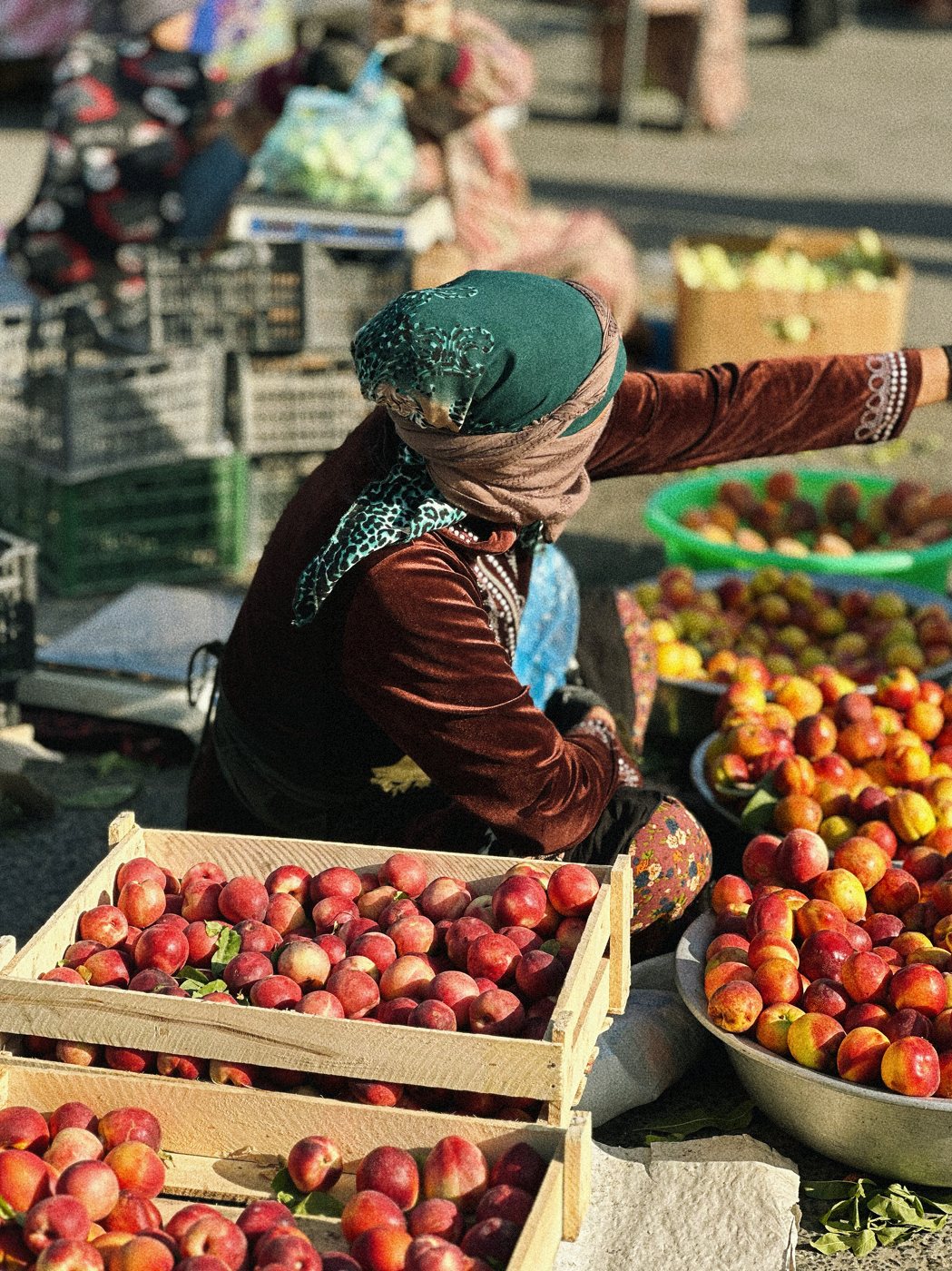
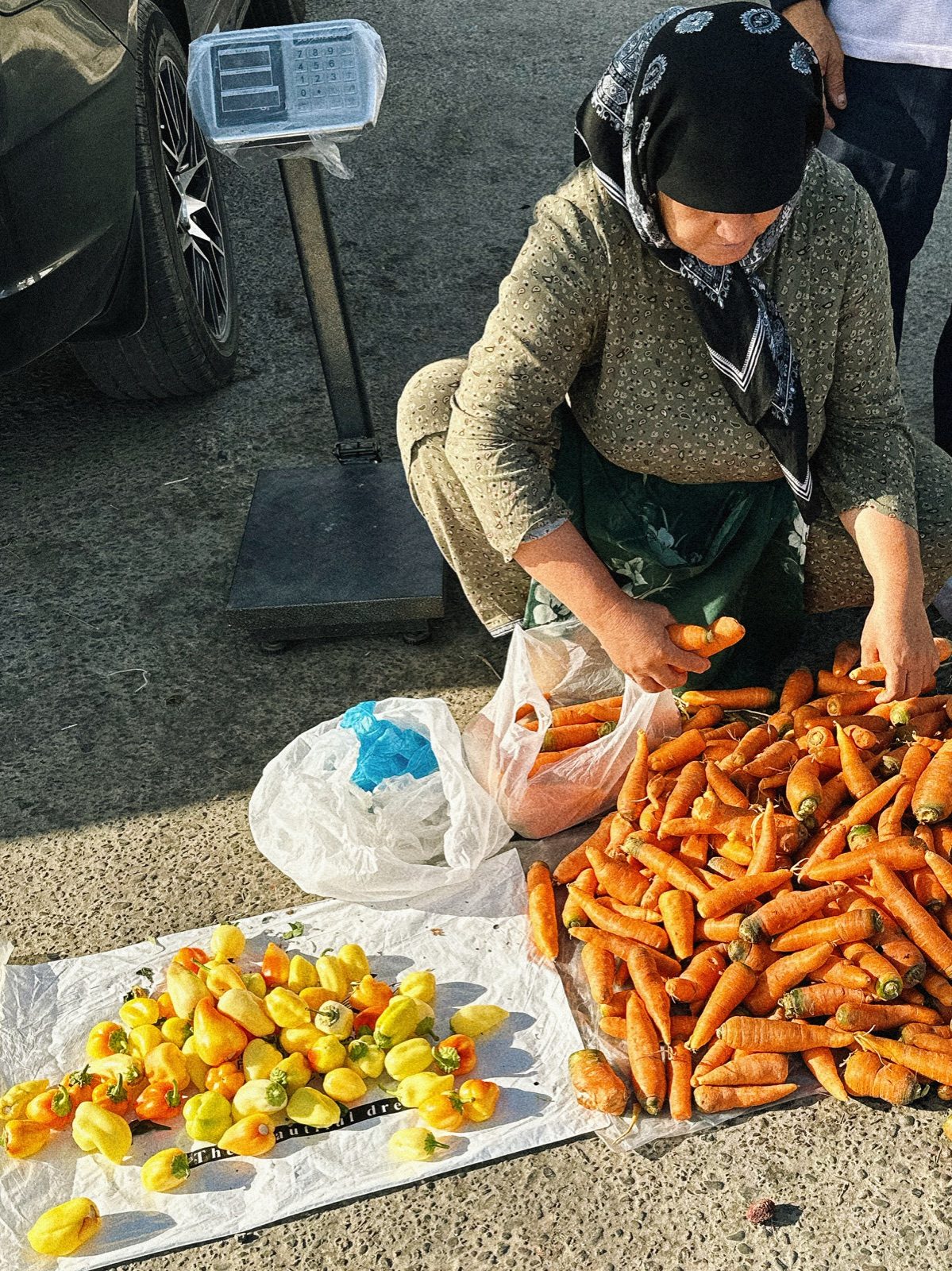
Beyond the monuments, the colors of the market tell another part of the story: fruit stacked in crates, vegetables laid out for sale, and the everyday rhythm of shopping.
11:00 a.m.–noon · Browse local handicrafts
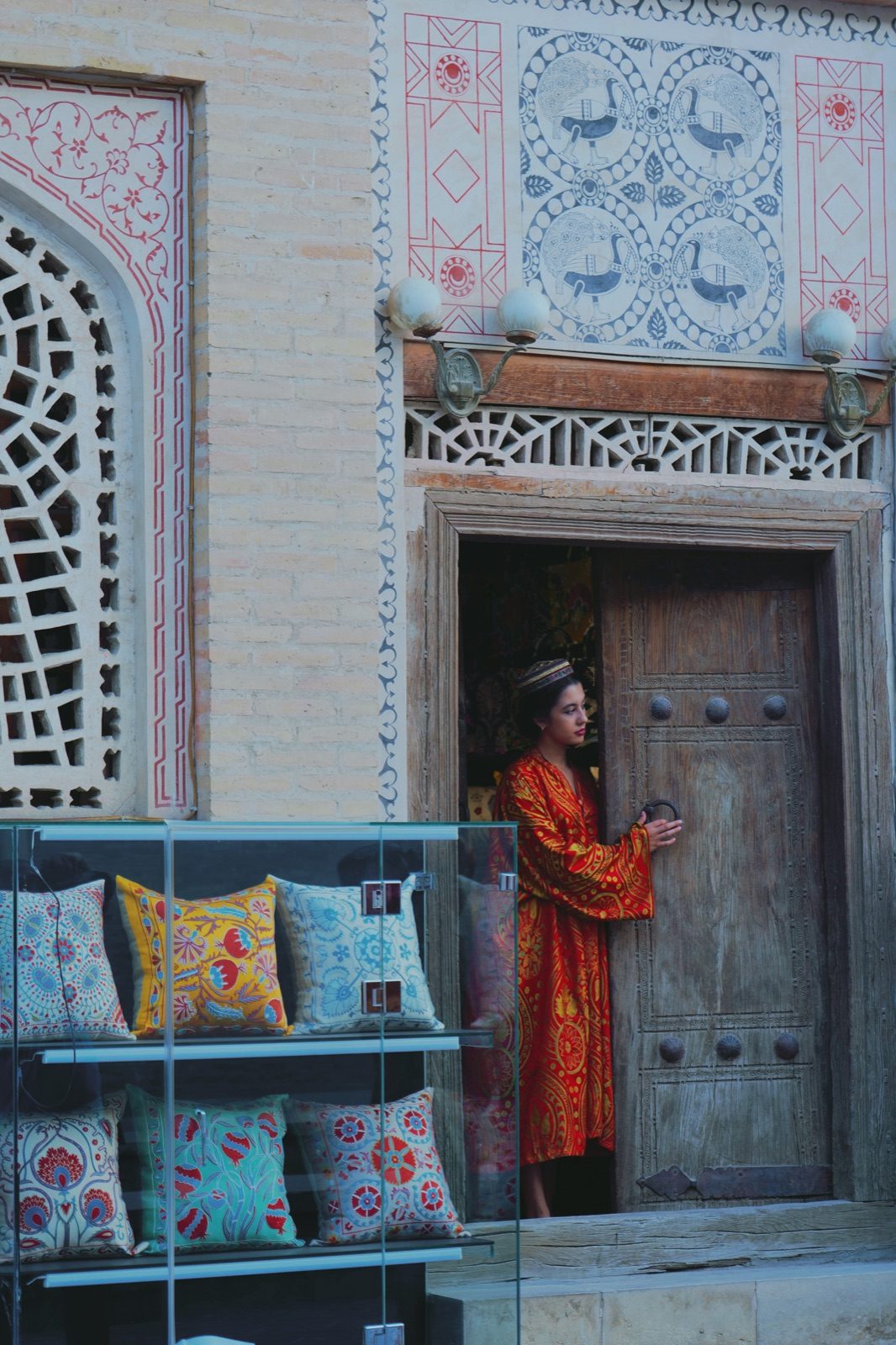
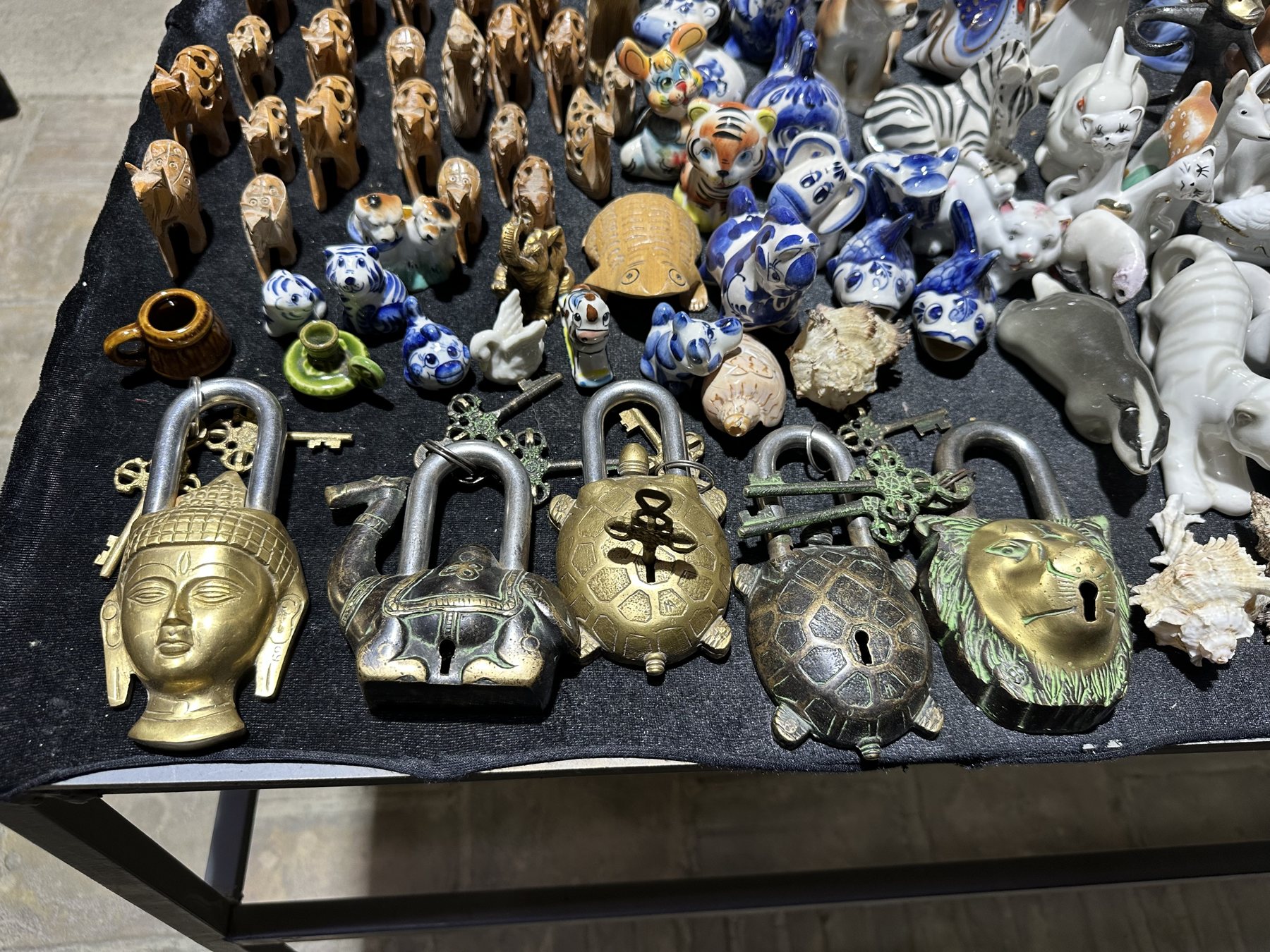
Look out for Uzbek embroidery, silk scarves and textiles, ceramics, carpets, and handmade jewelry. Bargaining can be part of the experience, but respect the time and skill behind handmade work.
If you are considering an antique, an old carpet, or an object that may have cultural heritage value, check the applicable export rules before buying it. Do not assume a seller’s reassurance is enough.
After noon · Lunch, checkout, and your next stop
If you leave in the afternoon or evening, ask your hotel to store your luggage. Enjoy lunch or one last tea before the transfer to the station or airport.
With extra time and suitable weather, you could consider a trip to the emir’s summer palace outside the old town. It requires a separate transfer and deserves time of its own; it is an optional extension, not an essential stop in this three-day plan.
Explore Bukhara with a local guide
Browse guided walks and experiences to add to your Bukhara itinerary.
Affiliate disclosure: If you book through this widget, I may earn a commission at no extra cost to you.
What to eat in Bukhara
Leave space between the monuments for the food. These are some of the Uzbek dishes I would look for:
Plov
Uzbekistan’s signature rice dish, commonly made with carrots, onions, meat, and spices. Recipes vary between cities and cooks.
Manti
Steamed dumplings, often filled with meat and onions. Their shape may feel familiar if you grew up eating Chinese dumplings.
Shashlik
Grilled skewers found across Central Asia, commonly made with lamb, beef, or chicken.
Lagman
Noodles with vegetables and meat, served with broth or sauce depending on the preparation—a dish that reflects the region’s cultural connections.
Non
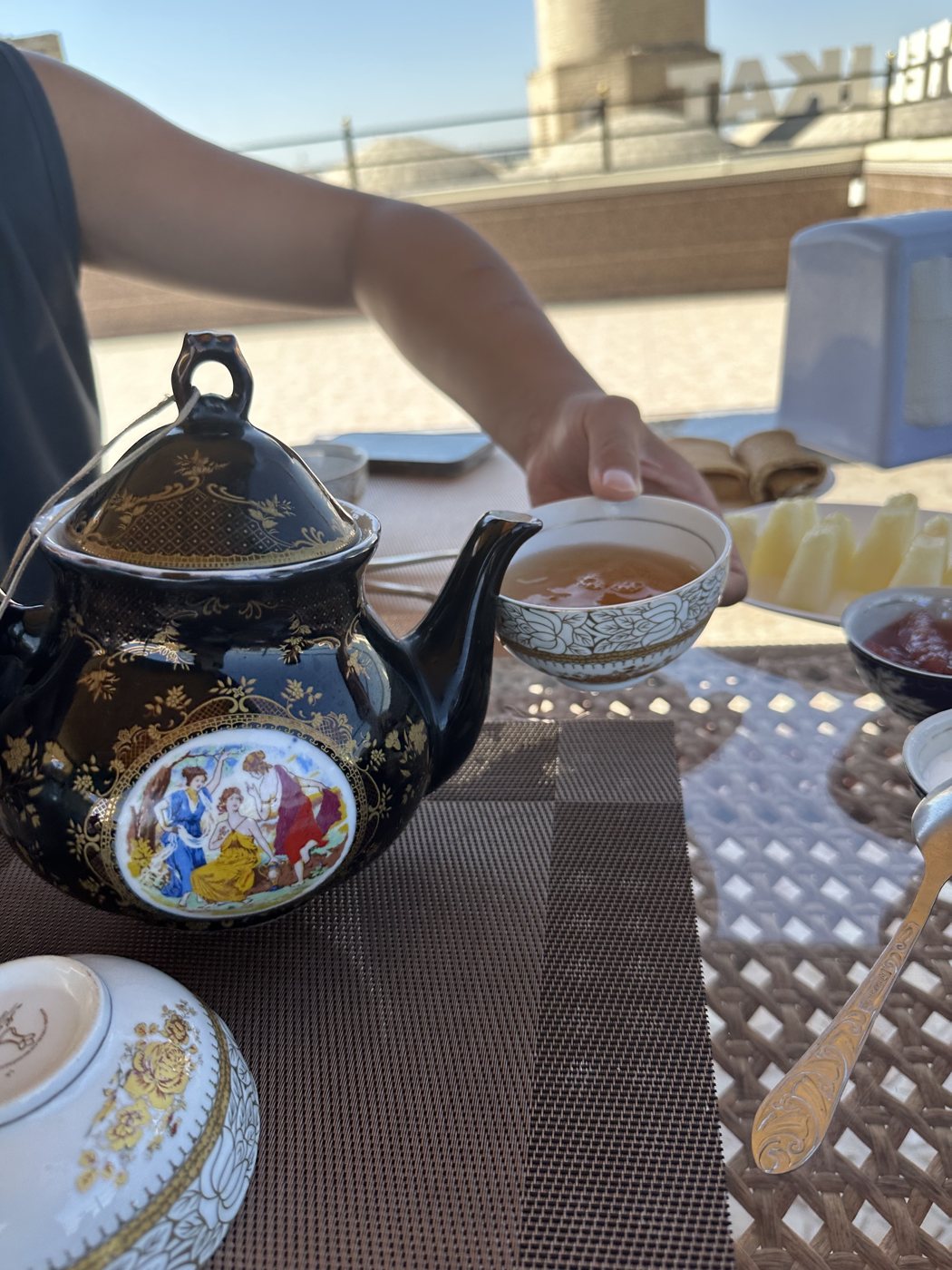
Traditional Uzbek bread and an everyday staple. Sometimes a good meal begins simply with bread and tea.
Bukhara travel budget: three days, two nights
The following figures are my rough planning estimates per person for a budget-to-comfortable trip. They are not live quotes. Season, room arrangements, your choices, and exchange rates can all change the total.
| Expense | Estimated cost (USD) |
|---|---|
| Accommodation, two nights | $30–100 |
| Meals, three days | $25–60 |
| Attraction tickets | $15–35 |
| Local transport | $5–15 |
| Water and miscellaneous expenses | $5–15 |
| Total | $80–225 |
This excludes trains or flights to and from Bukhara. The accommodation allowance depends on whether you travel alone or share a room; split the actual room price between the people using it. Check current room rates and ticket prices when planning, and use prices posted at attractions on the day.
Seven practical tips for visiting Bukhara
- Plan around summer heat. Start early and avoid long walks through the hottest hours. Drink regularly; when sweating heavily, suitable electrolyte replacement may help. Adjust plans to your own health and the weather.
- Stay in the old town. A convenient base reduces transfers and makes it easier to return for a midday break.
- Dress respectfully at religious sites. Follow signs and local instructions, including requirements about shoes, clothing, and which spaces visitors may enter.
- Carry some Uzbek som. Some hotels and shops accept cards, but small vendors and transport services may require cash.
- Check opening hours. Religious activity can affect access, and my itinerary times are suggestions rather than guaranteed entry times.
- Be mindful after dark. Stick to well-lit routes and take ordinary precautions with belongings and unfamiliar lanes.
- Leave breathing room. Bukhara’s charm is also in the pauses, not only in the number of monuments you visit.
A city worth taking slowly
Over the years, I have visited cities that I remember for their scenery, others for their architecture, and a few that made me think differently about time. Bukhara belongs to that last group.
Centuries ago, merchants from distant places met here. Alongside silk, spices, and other goods came languages, cultures, and ideas. Today, we follow some of the same routes as we continue to discover the world.
I have always felt that the most precious part of travel is not the number of countries visited or landmarks collected. It is stepping into another culture and realizing how many different ways there are to live.
The world is vast, but some places are worth walking through slowly.
If you come to Uzbekistan, give Bukhara three days. Stay in the old town. Walk through its layers of history. And leave enough time to simply be there.
— Angela Jia
An ordinary girl’s journey around the world, recording travel and life from another corner of the earth.
One more walk through Bukhara
Step inside the Ark of Bukhara in my video below, a closer look at one of the places on this itinerary.